Source Forged Spiral Blade Stabilizer for Well Drilling, Oil Rig, Downhole Operations
Compare 30 forged spiral blade stabilizer options from Chinese manufacturers offering customization and API 7-1 standards. Buyers can evaluate materials like alloy and cast steel, surface treatments including galvanizing and polishing, and connection types for well drilling applications.
Key considerations
Products List




Comprehensive Sourcing Guide
Strategic Sourcing Guide for Forged Spiral Blade Stabilizers
The global oil and gas drilling sector relies heavily on downhole tools to maintain wellbore integrity and optimize drilling efficiency. Among these critical components, the forged spiral blade stabilizer stands out as a primary tool for controlling hole deviation and maintaining centralization. Sourcing this specific equipment requires a disciplined approach that distinguishes between various manufacturing methods, material compositions, and certification requirements. Buyers must navigate a complex landscape where product attributes vary significantly between suppliers, even when the core keyword remains consistent. This guide provides a structured framework for evaluating potential suppliers, verifying technical specifications, and ensuring long-term operational reliability without relying on unverified marketing claims.
Understanding Manufacturing Processes and Material Composition
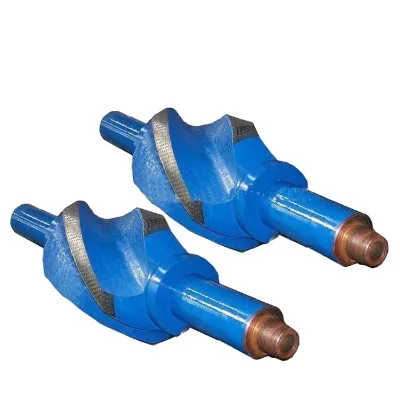
The distinction between forged and cast stabilizers is fundamental to the procurement strategy. While the core keyword specifies "forged," the market data indicates a diverse range of manufacturing processes, including casting, CNC milling, and various surface treatments. A forged stabilizer typically offers superior grain structure and mechanical strength compared to cast alternatives, making it ideal for high-stress downhole environments. However, buyers must verify the specific manufacturing process listed in the product attributes. Some listings explicitly state "Forging" as the manufacturing process, while others list "Casting" or "CNC Milling."
Material selection is equally critical. The supply chain offers products made from Alloy, Cast Steel, and Carbon Steel. Each material presents different trade-offs regarding hardness, toughness, and wear resistance. For instance, Carbon Steel is common for general applications, whereas Alloy steels may be required for abrasive formations. The product attributes also highlight specific surface treatments such as Galvanized, Polishing, Oxidation, and Spray-Paint. These treatments are not merely cosmetic; they directly influence corrosion resistance and tool longevity. A buyer must cross-reference the material grade with the intended application environment. For example, a tool intended for aggressive well drilling conditions may require a specific combination of high-grade alloy and a robust spray-paint or galvanization process to prevent premature failure.
Technical Specifications and Dimensional Standards
Precision in dimensions is non-negotiable for downhole tools. The stabilizer must fit precisely within the wellbore to function correctly. The provided data reveals a wide range of standard sizes, with specifications ranging from 5 7/8 inches to 42 inches, and another range cited as 6 to 28 inches. Specific model numbers and dimensions such as 142.9mm and 86mm to 186mm are also observed. This variability underscores the necessity for buyers to define their exact requirements before engaging with suppliers. The "Integral Spiral Stabilizer" designation suggests a specific design where the blades are an integral part of the body, rather than welded or attached components.
Connection types are another vital technical parameter. The data lists several connection standards, including API, REG, FH, NC, and specific thread types like NC23. The "If" connection type is also mentioned, which may refer to a specific industry code or a typo that requires clarification. Buyers must ensure that the stabilizer's connection matches the drill string configuration of their rig. Furthermore, the standard size range of 5 7/8" to 42" indicates that these tools are available for a broad spectrum of well diameters, but the specific model must be selected to match the casing or open hole size. The "prod_model" field often lists "option" or "all sizes," which implies customization capabilities, but the final order must specify the exact dimension required to avoid compatibility issues during the drilling operation.
Compliance, Certification, and Quality Verification
In the oil and gas industry, compliance with international standards is a prerequisite for procurement. The supplied facts indicate that many products carry ISO and API 7-1 certifications. API 7-1 is a specific standard for drilling and production equipment, and its presence is a strong indicator of quality assurance. However, buyers should not assume that every listed product automatically meets this standard. The certification status must be verified through the supplier's documentation. The data also mentions "W0113701" and "W01" as standard references, which may be internal or specific industry codes that require validation against current API or ISO requirements.
Quality control measures are explicitly mentioned in the product attributes, with "video outgoing inspection" being provided by some suppliers. This feature allows buyers to visually verify the condition and finish of the tool before shipment. Additionally, the "OEM" (Original Equipment Manufacturer) capability is highlighted, suggesting that suppliers can produce tools to specific buyer designs or branding requirements. When evaluating compliance, buyers should request proof of certification for the specific batch of goods. The "1 Year" warranty mentioned in the data provides a baseline for post-purchase support, but the terms of this warranty should be clearly defined in the contract, covering defects in material and workmanship.
Cost Drivers and Procurement Economics
The price range for these tools is extensive, observed between 10 and 10,000 USD. This wide variance is driven by several factors, including the size of the stabilizer, the complexity of the spiral blade design, the material grade, and the manufacturing process. A small, cast stabilizer will naturally cost significantly less than a large, forged alloy stabilizer with custom surface treatments. The Minimum Order Quantity (MOQ) also varies, ranging from 1 to 200 units. Buyers with smaller operational needs may find suppliers with low MOQs, while large-scale drilling operations might leverage bulk purchasing to reduce unit costs.
Packaging is another cost consideration. The data lists "Wooden Case," "Pallet," "Export Package," and "Wooden" as packaging options. Proper packaging is essential for protecting the tool during long-distance shipping, particularly for heavy items like stabilizers weighing up to 1500 kg. The choice of packaging can impact the overall landed cost, as heavier or more complex packaging increases shipping expenses. Buyers should evaluate the total cost of ownership, including shipping, insurance, and potential customs duties, rather than focusing solely on the unit price. The "Customization" attribute suggests that bespoke designs may incur additional costs, which should be factored into the budget.
Supplier Evaluation and Operational Capabilities
Selecting the right supplier requires a thorough assessment of their capabilities and track record. The data indicates that suppliers are located in regions such as Shandong and Shandong Dongying, China. While these locations are known for manufacturing, buyers should verify the specific factory's capacity to handle their order volume and timeline. The "RIGRS" brand name is mentioned, but buyers should not rely on brand recognition alone; instead, they should assess the supplier's ability to meet the specific technical and delivery requirements of the project.
Key evaluation criteria include the supplier's response to customization requests, their quality control protocols, and their after-sales support. The availability of "video outgoing inspection" is a positive indicator of transparency. Buyers should also inquire about the supplier's experience with specific drilling conditions and their ability to provide technical support during the installation and use of the stabilizer. The "use" attribute specifies "Well Drilling," confirming the intended application, but buyers should ensure the supplier has a proven track record in the specific type of drilling (e.g., directional, horizontal, or vertical) they are undertaking.
Long-Term Procurement and Maintenance Considerations
Sourcing a forged spiral blade stabilizer is not a one-time transaction but part of a long-term procurement strategy. The durability of the tool depends on the quality of the forging process and the material used. Buyers should consider the lifecycle cost of the tool, including the frequency of replacement and the impact of tool failure on drilling operations. The "1 Year" warranty offers some protection, but the operational environment may dictate a need for more frequent replacements.
Maintenance and inspection protocols are crucial for maximizing the lifespan of the stabilizer. Buyers should establish a clear process for inspecting returned tools to identify wear patterns and potential design flaws. The "Surface Treatment" options, such as polishing or oxidation, play a role in maintenance, as some treatments may require specific cleaning or storage procedures. Additionally, the "Connection" types must be compatible with existing drill strings to prevent costly downtime. By maintaining a detailed record of tool performance and supplier interactions, buyers can refine their sourcing strategy and negotiate better terms for future purchases.
Summary of Key Procurement Parameters
To facilitate decision-making, the following table summarizes the critical parameters observed in the market data that buyers should prioritize during the sourcing process.
| Parameter | Observed Range/Options | Verification Requirement |
|---|---|---|
| Manufacturing Process | Forging, Casting, CNC Milling | Confirm "Forging" for high-stress applications |
| Material | Alloy, Cast Steel, Carbon Steel | Match material to formation hardness |
| Size Range | 5 7/8" - 42", 6-28in, 86mm-186mm | Verify exact fit for wellbore diameter |
| Certifications | ISO, API 7-1 | Request valid certificate for specific batch |
| Surface Treatment | Galvanized, Polishing, Oxidation, Spray-Paint | Select based on corrosion environment |
| Connection Types | API, REG, FH, NC, NC23 | Ensure compatibility with drill string |
| Packaging | Wooden Case, Pallet, Export Package | Confirm protection for heavy loads |
| Warranty | 1 Year | Review terms for defect coverage |
By adhering to these guidelines and rigorously verifying the provided facts against actual supplier capabilities, buyers can secure high-quality forged spiral blade stabilizers that meet the demanding requirements of modern drilling operations. The focus must remain on technical accuracy, compliance, and long-term value rather than superficial marketing claims.
FAQs
What manufacturing processes are used for these stabilizers?
The available processes include forging, casting, and CNC milling. Buyers must verify the specific process listed in product attributes, as forged options offer superior grain structure for high-stress downhole environments compared to cast alternatives.
Which certifications are available for these downhole tools?
Products often carry ISO and API 7-1 certifications. Buyers should request valid certificates for the specific batch of goods to ensure compliance, as not every listed product automatically meets these standards without verification.
Can I customize the dimensions and specifications of the tool?
Customization is available for specifications and models. The standard size range spans from 5 7/8 inches to 42 inches, but the final order must specify the exact dimension required to ensure compatibility with the wellbore diameter.
What materials are used to manufacture these stabilizers?
Materials include Alloy, Cast Steel, and Carbon Steel. Selection depends on the application, as Alloy steels may be required for abrasive formations while Carbon Steel is common for general drilling conditions.
How are these tools packaged for international shipping?
Packaging options include Wooden Cases, Pallets, and Export Packages. Proper packaging is essential for protecting heavy items, which can weigh up to 1500 kg, during long-distance shipping to prevent damage.
What is the warranty period for these drilling tools?
A 1-year warranty is provided for these products. The terms should be clearly defined in the contract to cover defects in material and workmanship, offering baseline protection for the buyer.